







Using ERP Software to Run Field Service and Repair Ops: Pros and Cons

Is your organization “all in” for service? Determine whether your ERP software alone for field service management is enough to be successful.
In the last decade, horizontal enterprise resource planning (ERP) systems have grown in breadth of functionality and range of customizability as companies of various needs and industries adapt them for their daily business operations. Indeed, high functioning ERP systems can go beyond just number crunching to include features like purchasing, invoice generation, and inventory management. While using ERP for field service might sound like a good solution, service is a unique industry that requires specific mobile and scheduling features to keep remote workers on track. So before you make any important software decisions, you may want to ask yourself whether an ERP system, even with a field service management add-on, is enough. We explore the pros and cons of using ERP software such as NetSuite for managing field service operations.Pros: Where ERP tools can help an organization manage field service operations
ERP systems now play a larger role than ever for companies in a variety of industries, including today’s field service organizations that benefit from several customizable and integrated ERP features, including:- Accounting and General Ledger (GL):
- Purchase Orders/ Sales Order System:
- Inventory Management:
- Customer Information:
- Invoice Generation:
- User Defined Fields:
Cons: Where ERP software typically struggles to meet field service needs
While ERP systems can perform some service needs, and user defined fields and add-ons contribute additional service management functionality, some processes can’t be accomplished through ERP software. Here are some of the “Cons” of attempting to use an ERP system for all your service processes:-
Contracts Management:
Contracts management is the core of service management. From managing the right contacts and customer information to processing, scheduling, and billing work orders, managing contracts is what makes a service organization tick. With service work orders and contracts, you need to be able to track not only parts, but also warranty, labor, preventative maintenance, service level agreements (SLAs) renewals, scheduling, etc. Without the ability to perform these functions and perform them well, it will be nearly impossible to succeed in an ever more competitive service world.
-
Mobile for Field Technicians:
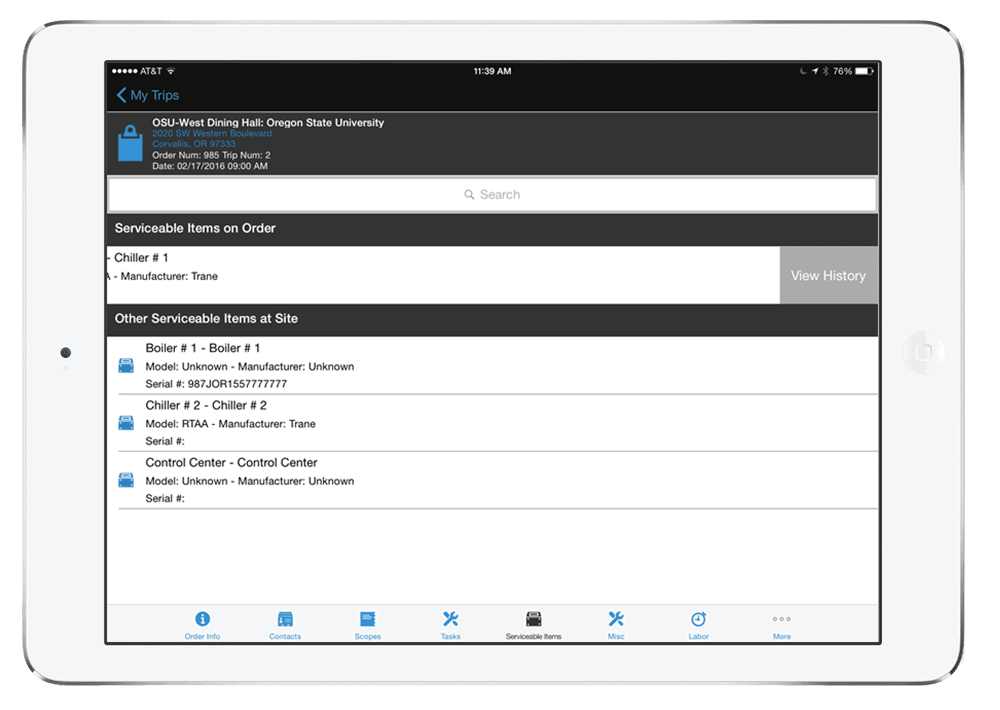
ERP systems are designed to serve businesses that exist within the confines of a building. Field service, however, inherently lives outside the four walls of an office, which is why it’s so important for service organizations to have high functioning mobile software that works offline. Most ERP systems do not offer mobile and those that do, aren’t as well supported or complete as a mobile application built and supported specifically for field service.
“Mobile technology isn’t just changing service; it’s changing the technician as well. No longer just someone who can install or make repairs, a field technician is also a knowledgeable and trusted advisor,” according to Trimble’s 2016 Field Service Insight report.
Trimble research found that field service organizations implementing a mobile strategy provided an:
- 18% increase in service visits per technician
- 40% increase in service revenue contribution per technician.
Research confirms that in today’s connected age, if you don’t have a way to eliminate paper and manage service processes through a mobile app in the field, you’re going to be left behind.
-
Technician Resource Scheduling:
Getting techs to the right place at the right time requires detailed insight into the customer needs and technician details like GPS location, availability, and skill set. While ERP systems can perform general scheduling tasks like booking an installation date after a purchase order comes through, its functionality is nowhere near the level that’s needed to efficiently schedule technicians in the field and stay competitive in the service industry.
Some benefits of having a field service visual scheduler include:
- Higher first-time fix rates
- Reduced travel time
- Improved utilization
- Fewer needed resources in the back office and field
- Improved customer satisfaction
- Shorter appointment windows
- Improved customer appointment booking process
- Reduced overtime

-
History for Customer-Owned Equipment:
ERP systems can handle inventory on hand and how many parts are spoken for, but they don’t have visibility into equipment history or needs. Technicians need to be able to see important equipment information to keep their customers informed or make crucial preventive maintenance contract sales. With an FSM system, techs can provide advice based on equipment information that they wouldn’t be able to do without being able to see the equipment’s history.
-
Asset Tracking/Warranty Information:
ERP systems don’t have a way to track asset and warranty information for equipment. ERP software knows when the part was bought, but techs can’t tell if it’s under warranty. When techs don’t know information about the assets or have up-to-date warranty information, the quoting process slows and can lead to errors in billing.
-
Labor-Based Quoting:
When technicians are using mobile technology in the field that syncs with the back office, their labor automatically syncs with the work order when they update it on mobile device. Labor then integrates with payroll and creates labor-based quoting for billing customers. ERP systems aren’t made with service labor capabilities, so it’s difficult to factor labor costs into the quote.
-
Granular Performance Analysis Based on Accounting Statement:
Because of the variety of service types and workers performing jobs in a range of environments, it’s important to be able to analyze service data on a granular level. ERP systems don’t allow for analysis of tech utilization, which makes it difficult for service organizations to determine where their revenue is coming from, where they need to improve, and what they’re doing well.
-
Connected Service & Automation
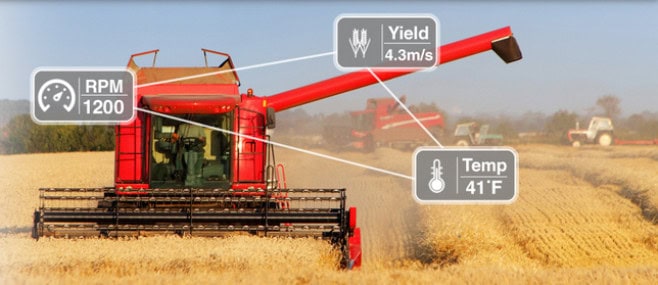
In order to take the next step in boosting productivity and growing revenue, technology can be a great enabler. But that technology needs to fit your business processes. With a designated field service management system, not only can basic processes like appointment scheduling and route planning be automated, but also analytics from connected products can provide insight into both customers and field services organizations, including real-time performance dashboards and resource forecasting tools.
Conclusion: Don’t settle for what’s convenient
Field service is a customer-centric industry. Therefore, the software service organizations use needs to be created and run with people in mind. While ERP systems are useful accounting and business management tools, they’re generally focused on dollars, not people. This difference in focus and priority is the major distinguishing factor between FSM and ERP systems and should help you decide whether an ERP system is enough to manage such a valuable entity of your organization, like service. It’s important to keep in mind that field service modules for ERP systems are just that: modules. They don’t have the full functionality, accuracy, or specialization of a “best-in-breed” system created specifically for field service. If you want to be taken seriously as a service organization, service management software is not something you want to skimp on. By settling for what’s convenient you risk running nothing more than a mediocre service organization go to this web-site.Free Guide: 7 Best Practices for Choosing Field Service Software
Taking into account decades of field service experience, we’ve combined software-buying best practices and technology know-how into this practical guide.

See what the wait between a finished job and a sent invoice is costing you.
Run the numbers