
Field work
Hours
- Work order received
- Technician dispatched
- Job completed
- Field notes closed
This clock stops when the job is done.
Your jobs invoiced faster, on the systems you already run.
For teams that run dispatch, mobile and service contracts in one system.
Mobile technician appDispatch and schedulingAsset managementParts and inventoryInspections and formsPreventive maintenanceService contractsSee Service Pro FSM→ Power and EnergyGenerators, electrical solutions, EV, solar, datacenter, enclosures, renewables, oil and gas, and marine.See Power and Energy →
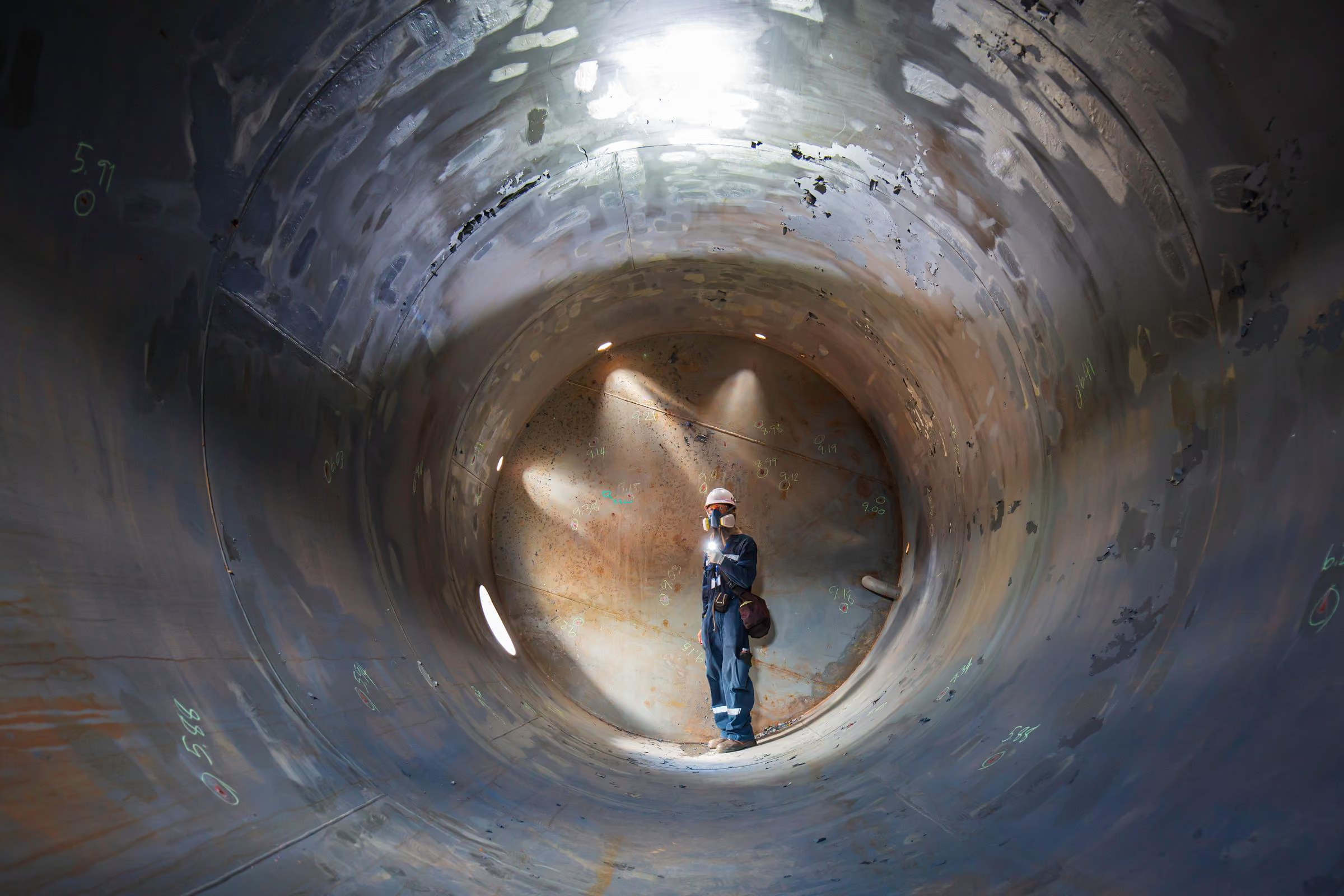 Industrial EquipmentCompressors, pumps, forklifts, cranes, hydraulics, rotating equipment, overhead door systems, petroleum and laundry equipment.See Industrial Equipment →
 Heavy EquipmentConstruction, mining, agriculture and forestry machines, serviced by the dealers who sell them.See Heavy Equipment →
Your equipment decides what a job record has to carry and where the invoice gets stuck.
See all industries NetSuiteThe ledger and the bill stay in NetSuite.
 Salesforce Field ServiceYour dispatchers keep scheduling in Salesforce.
 Business CentralService data flows into Business Central.
 Sage 100Your ledger, receivables and payables stay in Sage 100.
 Epicor Prophet 21Financials, inventory and billing stay in Prophet 21.All integrationsHow Time-to-Invoice connects to the ERP and field service systems you already run.See integrations →APIConnect Service Pro FSM to your other systems.
Time-to-Invoice works on top of the systems you already run. Nothing is migrated, and your team keeps the screens they know.
Talk integration specifics
HVAC and refrigeration contractors running commercial and industrial service operations need to manage heating, cooling, ventilation and refrigeration work end to end. Time-to-Invoice speeds up every step from job assigned to invoice sent.
Book a DemoHVAC businesses face constant pressure balancing emergency service calls, preventive maintenance schedules, technician availability and customer satisfaction every day.
When the call closes, the pressure moves to the back office. Readings, parts and agreement terms have to line up against the right unit at the right site before the invoice can go out, and nobody's timing that part of the job.
A team that answers a no-heat call the same day can take weeks to bill for it.
Hours
This clock stops when the job is done.
Still running
This clock is still running.
Time-to-Invoice is the second clock, and it's the field service number almost nobody measures.
The job brief carries the site's equipment list and each unit's history, from the rooftop unit to the chiller, before the truck rolls.
Service records, manuals and past work orders stay tied to the equipment at the site, so a question about a unit gets answered from its own records, on the roof or at the desk.
Covered visits stay covered, contracted work bills on the agreement's terms, and the extra work your technician found on the roof gets billed instead of absorbed.
Readings, hours, parts and close-out notes line up against the completed work order, so the invoice goes out days sooner.
Your technician works the way they already work: notes at the unit, readings where they are taken, parts recorded as they are used. Time-to-Invoice reads that record and drafts what billing needs, in billing's language, before anyone opens a work order at a desk.
WO-4412
Rooftop unit 3, office tower
From the field
Invoice ready note
Rooftop unit 3 was not cooling.
The compressor contactor was pitted.
Replaced the contactor, checked the charge and cleaned the coils. The blower belt is worn. Replace it at the next PM visit.
Invoice package
The technician's notes as written in the field, and the invoice-ready note Time-to-Invoice drafts from them, in Complaint, Cause, Correction format.
SERVICE AGREEMENTS
Rooftop units, split systems, chillers and air handlers, much of it serviced under agreements with seasonal visits. The agreement decides what is covered, so the invoice has to know which visit it is billing for.
PRODUCT ON THE LINE
Walk-ins, rack systems and process refrigeration, where a failure costs the customer product. The refrigerant handled on the job is part of the record, and part of what gets billed.
SERVICE AND PROJECTS
Mechanical contractors carry service work alongside project work, and the service side runs on a different billing rhythm. A completed call should become an invoice instead of a line on somebody's list.
INSPECTION RECORDS
Boiler service produces readings and inspection notes on each visit. The same record that documents the visit becomes the basis for the invoice.
RECURRING VISITS
Filter changes and air quality service run on a schedule across many units and sites. Small, frequent jobs are easy to leave sitting, so each one needs to close out cleanly to be billed on time.
Years building for equipment service organizations, organized around the unit and its history.
It moves completed work to a sent invoice, and everything gets measured against that clock.
It connects to the ERP and field service systems you already run.
Development to customer success, all in the United States.
Time-to-Invoice sits between the field service system your team dispatches from and the ERP your team bills from. Nothing gets replaced.




In the settings screen, not in an integration project. Your naming, your structure, your call on what maps to what.
Field names shown are illustrative. Yours are whatever you call them, and you set the match.
See the integrationsThere is no published benchmark for commercial HVAC specifically, and anyone who quotes you one is quoting a cross-industry figure. The closest defensible number is APQC's delivery-to-invoice median of 8 days across 1,335 organizations. The more useful exercise is finding the gap between your fastest jobs and your slowest ones, because that gap is the part you can close.
Yes. Agreement work adds a step before billing, because somebody has to check what the agreement covers. Time-to-Invoice checks coverage against the agreement on file as the job closes, so covered visits, contracted work and billable extras are separated before billing sees them.
Yes. It works on top of ERPs and FSMs. Time-to-Invoice works with the records already in your system, so billing starts from the job your team already recorded.
Service Pro FSM tracks refrigerant purchases, usage by technician and by job, and recovery quantities, which is the record EPA 608 reporting asks for. An audit becomes a lookup instead of a search.
Service Pro FSM holds each technician's EPA 608 credentials, Universal and Types I, II and III, tracks their expiration dates, and stops a technician being dispatched to work that needs a certification they don't hold.
Service Pro FSM tracks labor hours, material costs and visit frequency against what each contract is priced at, so you can find the underpriced agreements and decide renewals from the numbers.
No. They close out the job the way they do today. Time-to-Invoice reads their notes, hours and parts, drafts the note billing needs, and follows up with the technician on anything the invoice is still missing.
No. Service Pro FSM is the field service management system and it has its own pages. Time-to-Invoice is the layer that moves finished work to a sent invoice, and it works whether or not you're running FSM.
Time-to-Invoice, measured before and after, on your own jobs. It's one number and you own the baseline.

Your technicians already treat a down unit like it matters. Time-to-Invoice brings billing up to the same speed, getting the invoice out days sooner.
Book a DemoAdobe Stock preview, unlicensed