
What automation trends are expected to shape the field service industry in 2021?
The past 12 months have not been easy for companies providing field service.
Because their work is considered essential, they had to work through the pandemic. Companies had to ensure their staff felt safe working through a pandemic. They had to ensure that enough revenue was streaming in despite an economic slowdown worldwide.
Still, there is a lot to look forward to in the field service industry. Major trends are around technology and automation because they are key revenue drivers in the sector.
Greater adoption of virtual diagnosis and customer service
2020 brought a screeching halt to in-person meetings and gatherings. A lot of what could be done through virtual meetings was done that way. Unfortunately, field maintenance cannot be done entirely remotely.
However, companies can take advantage of the good quality cameras on smartphones today as well as livestreaming to speed up the process of diagnosis of field problems. Insurance companies, for example, have embraced this to speed up processing accident claims.
Similarly, field service companies can use the same to determine whether assets need replacement or maintenance. It speeds up the customer service process. It also saves on transportation costs while allowing customers to submit service requests on self-service portals.
Customer service portals
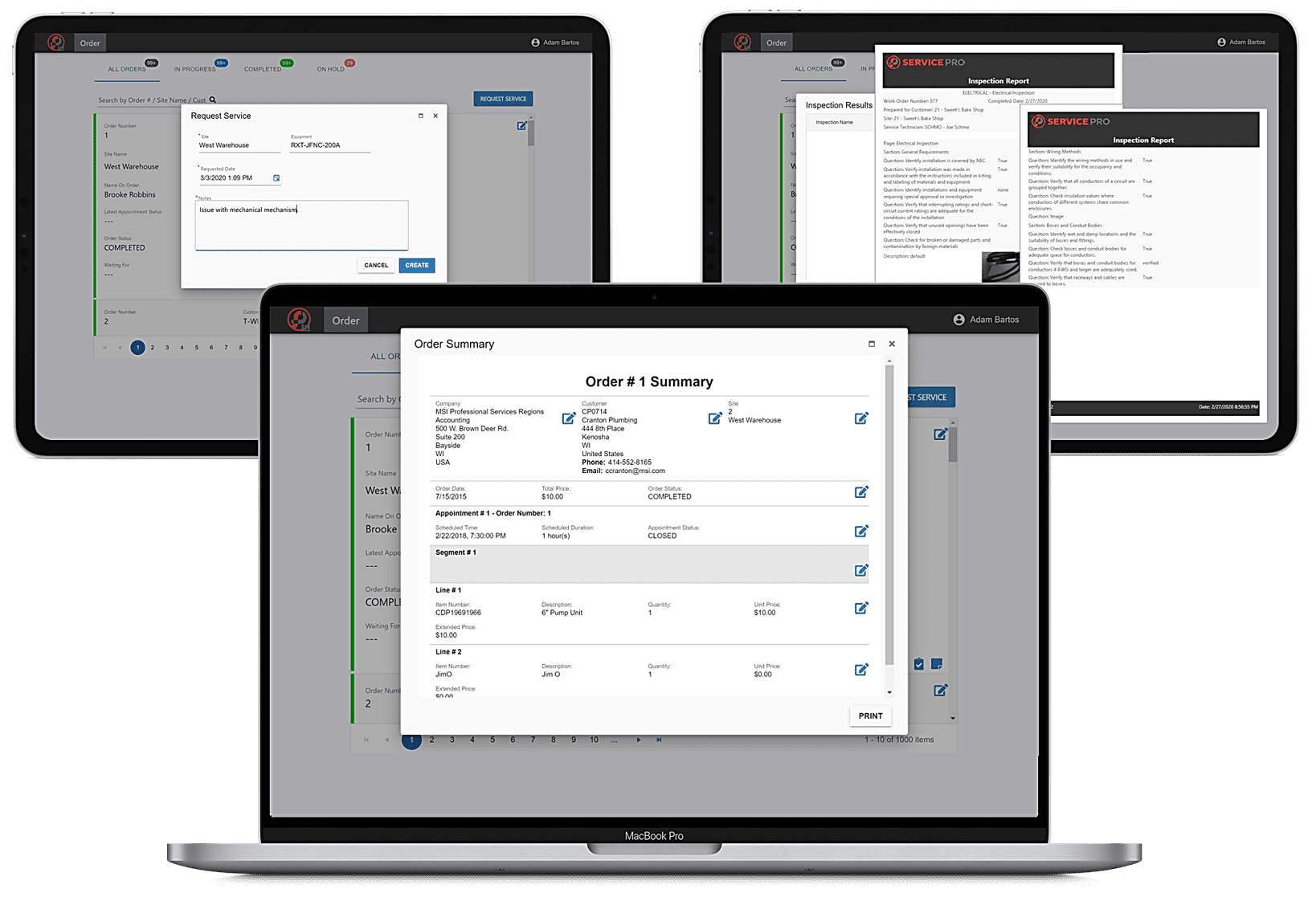
The COVID-19 pandemic is likely to accelerate the implementation of customer portals by field service companies. A portal will help customers raise complaints, schedule repairs, and track the progress of issues under resolution.
A self-service portal also serves as an information center so customers don’t always have to be attended to by someone at a call center. This is a thoughtful way of limiting staffing needs when companies are under revenue strains.
Use of third-party workers
Employers have been faced with unique challenges in their staffing decisions in the past year.
There were employed workers who did not feel safe providing field service amid the pandemic. And some companies were forced to let go essential staff members as they tried to stay afloat.
Such a unique set of circumstances forced companies to rely on gig workers as independent contractors when the need arose. This allowed them to have a flexible or blended workforce to balance between staffing costs and client service.
This trend is likely to continue into the foreseeable future because it also allows essential workers to only work when they feel safe enough to do so.
AI and machine learning predictions
The reliance on artificial intelligence and machine learning is set to go even further in the field service realm.
Portals will make it easier for clients to report issues and schedule repair appointments. Artificial intelligence will use a client’s service history together with the issue reported to make predictions on the required service parts.
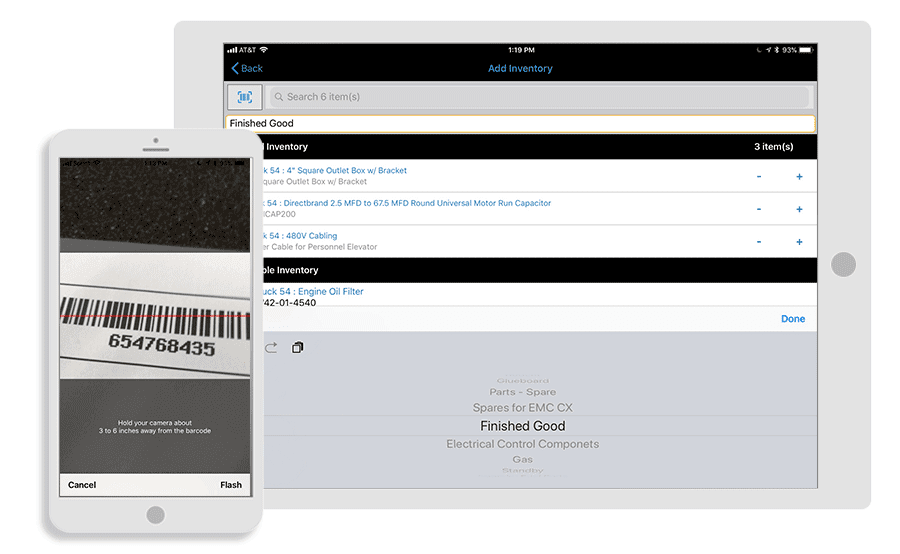
Predictive systems will also be relied upon to ensure field service companies have optimal inventory levels depending on expected demand. The reliance on these technologies will reduce stockout costs, avoid overstocking, and reduce lead times. It will lead to overall better customer service.
2021 is likely to see more automation in scheduling routine maintenance. Through IoT, data collected from serviceable parts will be used to predict and schedule repairs or replacements before a breakdown happens.
Better knowledge management systems
As experienced field service workers leave the workforce, companies will seek to leverage their knowledge to train new ones. New workers are likely to be trained using virtual reality to recreate a field environment. Companies will use video conferencing to enable experienced heads to train new entrants in the field.
Companies can enable self-paced learning among its staff through mobile apps that have learning and reference resources. In fact, it is estimated that by 2025, over half of field service workers will have some form of augmented reality assistance integrated in their work. This will help make up for the gap in skills and experience.
Further improvements in field service software
As customers continue using self-service portals to request and schedule maintenance, there is likely to be more demands on field service workers.
Companies will be forced to be more efficient in scheduling and routing field service staff. Available AI technology will be relied on to make decisions on how to distribute field service vehicles in a given geographical region optimally.
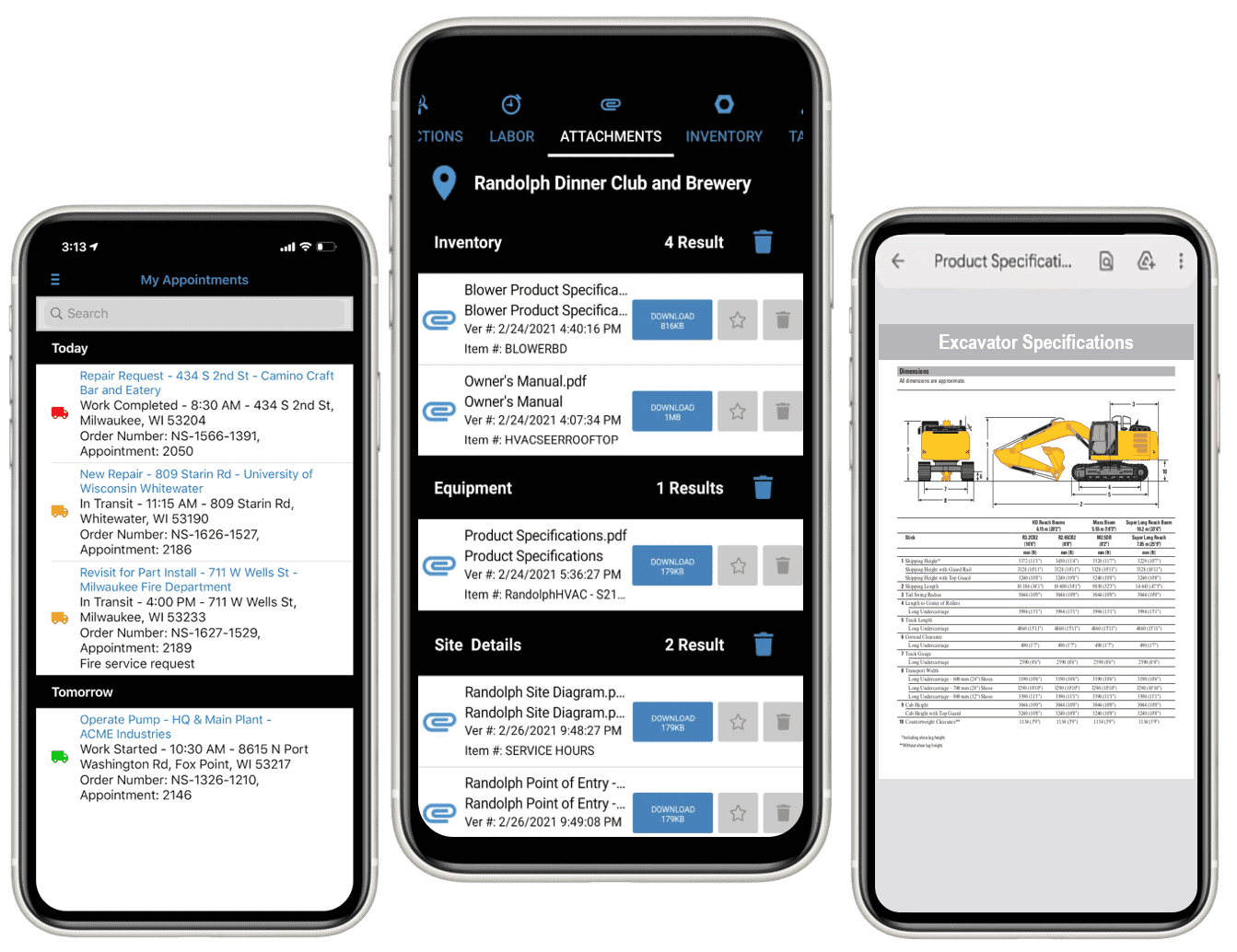
Field service software is going to offer field service workers more capabilities while in the field, including data collection, automatic invoicing, automatic inventory ordering, and so forth. The aim will be to make field service workers as productive as possible by availing knowledge, unlocking collaboration on problems with colleagues, and automation of routine tasks.
Conclusion
It is quite clear that automation will drive revenue for field service companies in the next decade. It provides opportunities to cut costs while improving service offerings and new product recommendations to clients.
Companies will expect their field service technicians to have essential soft skills to build relationships and new selling opportunities to existing customers.
Customers, on the other hand, will be empowered through self-service portals that act as a gateway to all the services and information they need.