

Your most experienced technician can diagnose a failing compressor by sound alone, knows the quirks of assets across your customer base, and just told you he’s retiring in 18 months. When he walks out the door, that knowledge goes with him.
This is the skilled trades gap playing out in real time across field service organizations. The industry is losing decades of hands-on expertise faster than it can replace it, and most operations have no structured plan for it. The result is longer resolution times, declining first-time fix rates, rising costs, and customers who feel the difference.
Addressing it requires action across knowledge capture, technology, talent development, and continuous learning.
Why the Aging Workforce Is Field Service’s Most Urgent Problem
The consequences of an aging workforce show up well before a retirement notice hits your desk. As experienced techs leave, resolution times climb, first-time fix rates slip, and newer technicians generate repeat dispatches that cost anywhere from $175 to over $1,000 per truck roll, compounding across dozens of jobs per week. Customer satisfaction follows closely: customers don’t care that you’re short-staffed. They care that the problem wasn’t fixed and that they had to schedule another visit.
As senior technicians retire, the remaining team absorbs a heavier workload, accelerating burnout and driving further turnover. Hiring addresses headcount, but it doesn’t replace the expertise that left and can’t close the gap fast enough on its own.
How Do You Capture and Preserve Knowledge Before It Walks Out the Door?
The most immediate risk of the aging workforce is knowledge loss. Experienced technicians carry years of undocumented expertise: equipment-specific workarounds, site-specific quirks, customer preferences that were never entered into any system. This is what’s known as tacit or tribal knowledge, and it’s among the hardest to capture because it was never written down. When that technician retires, that knowledge doesn’t fade gradually; it disappears on a specific date.
Build a Structured Knowledge Transfer Program
Tribal knowledge won’t pass along organically. It needs to be formalized before urgency sets in, because by the time it feels critical, key people may already be gone. A structured knowledge transfer program means building a deliberate program with real accountability:
- Pair senior technicians with less experienced techs in mentorship rotations that go beyond ride-alongs into co-diagnosis sessions where the senior tech narrates their reasoning.
- Schedule dedicated knowledge-capture sessions separate from regular jobs.
- Assign veteran techs ownership of troubleshooting guides, how-to videos, and best-practice documentation before they transition out, and build that contribution into their role expectations.
The goal is converting what lives in someone’s head into something searchable and accessible to the broader team.
Digitize Tribal Knowledge with the Right Digital Tools
Capturing knowledge is only half the battle. If it ends up in a shared drive nobody navigates, the effort is largely wasted and the knowledge remains inaccessible. Digital tools are what turn undocumented expertise into a scalable, accessible asset.
Centralizing service history, repair notes, asset-specific insights, and SOPs in a system that techs can access from the field is where knowledge capture pays off. Service Pro Mobile embeds manuals, schematics, SOPs, and inspection templates directly into work orders, making institutional knowledge available to field technicians regardless of their experience level.
How Can Digital Tools Bridge the Skill Gap?
Digital tools are the bridge between the expertise your aging workforce holds and the readiness your newer techs need on day one. The right AI field service software solution compresses the learning curve and gives less experienced technicians access to expert-level decision support without requiring a mentor to be physically present.
AI-Powered Scheduling and Skills-Based Dispatch
Sending a junior tech to a job that requires a specialist is one of the most direct drivers of repeat dispatches, and as your senior-to-junior ratio shifts, that risk grows. Skills-based dispatch addresses this by matching assignments based on verified certifications and equipment experience rather than availability alone. Dynamic re-optimization keeps the dispatch board accurate in real time as cancellations and priority changes hit throughout the day.
Remote Assist and Guided Diagnostics
When a less experienced technician hits a problem they can’t resolve, the traditional answer is a call to a senior tech. That often works, but it pulls the senior tech off their own work and doesn’t build lasting capability in the field. Video-based remote assistance and embedded knowledge assets allow experienced technicians to guide junior techs through complex repairs from anywhere, turning senior expertise into a scalable resource.
Mobile-First Workflows and Paperless Execution
Paper-based workflows place the burden of memory on the technician. A less experienced tech working from paper is more likely to miss a step and has no reference point for how similar jobs were handled previously. Mobile-first, paperless workflows reduce that burden significantly. Digital work orders, embedded checklists, photo capture, and on-site e-signatures create less administrative overhead and a richer job record that feeds back into the knowledge base. Offline capability is essential, since a workflow that breaks without signal isn’t reliable in industrial or rural areas.

How Do You Attract Gen Z and Build a Future-Proof Talent Pipeline?
Solving the aging workforce problem requires building a pipeline that outlasts the next wave of retirements, which means recruiting and retaining the next generation of technicians. Gen Z prioritizes visible career progression, and technicians who see a clear path from apprentice to specialist to team lead tend to stay longer and develop their skills more deeply. Structured development programs and certification pathways are genuine recruiting advantages in a competitive labor market.
Modern tooling also matters. A mobile-first, AI-assisted platform signals that the organization takes its technicians seriously and is worth building a career with. Field service has a strong purpose-driven value proposition in real problems, real customers, and skilled hands-on work, and organizations that communicate it clearly will attract candidates that competitors with manual processes won’t.
How Do You Build a Culture of Continuous Learning and Knowledge Sharing?
Addressing the aging workforce is an ongoing discipline, not a project with a finish line. Organizations that solve it for this wave of retirements and move on are likely to face the same situation a decade from now.
The most resilient field service teams treat knowledge as a shared organizational asset. That starts with a living knowledge base updated after complex jobs. Service Pro AI’s Service Report Automation captures what happened on each job and converts it into structured documentation automatically, without requiring techs to write anything up. Completed jobs make the knowledge base richer over time. Pairing that with incentives for experienced technicians to contribute, regular cross-training sessions, and certification tracking at the resource level gives dispatch visibility into team capabilities as they grow.
Future-Proof Your Workforce with Service Pro
Service Pro by MSI Data is a purpose-built field service management platform designed to address the aging workforce challenge across knowledge capture, guided field execution, skills-based dispatch, and a digital experience built for the next generation of technicians.
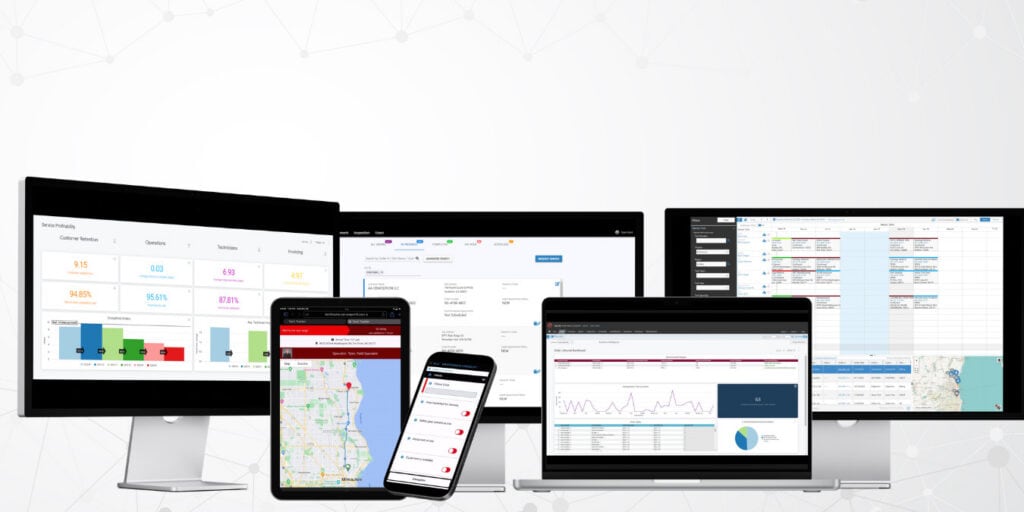
Service Pro Mobile embeds institutional knowledge directly into work orders. Service Pro AI’s Job Prep Brief surfaces service history and customer notes before the tech leaves for the job. Skills-based dispatch routes complex jobs to qualified technicians as team composition changes. Service Report Automation converts completed jobs into structured documentation without adding work for the technician. BI dashboards give operations managers visibility into first-time fix rates, technician performance, and knowledge gaps.
Hundreds of field service organizations have used Service Pro to reduce repeat dispatches, accelerate new technician onboarding, and preserve the institutional knowledge that drives service quality.